Blood pressure is influenced by many things: genetics, age, sleep, stress, medications, kidney health, alcohol, activity, and the foods we eat. No eating pattern can replace prescribed care when blood pressure is high, but food can be a meaningful part of the plan.
What to keep in mind
DASH is an eating pattern, not a replacement for monitoring or prescribed treatment. Begin with repeatable changes to meals and sodium sources rather than a perfect menu. Potassium advice and salt substitutes may need individual review with kidney disease or certain medicines. Ask your care team which parts of the pattern should be adapted instead of assuming that every heart-healthy food is suitable without limits.
DASH—short for Dietary Approaches to Stop Hypertension—is not a detox, a supplement protocol, or a list of forbidden foods. It is a flexible eating pattern built around foods that tend to support heart health: vegetables, fruit, whole grains, beans, nuts, fish or poultry, and low-fat dairy or suitable alternatives. It also reduces the foods and drinks most likely to push sodium, added sugar, and saturated fat higher.[6][7]
What DASH is designed to do
The American Heart Association describes DASH as an eating plan designed to help manage blood pressure. It emphasizes healthy food sources and limits red meat, sodium, sweets, added sugars, and sugary drinks.[6] It is best understood as an overall pattern, not a perfect daily score.
DASH is often presented with detailed serving targets, but its practical foundation is easier:
- Make fruit and vegetables a visible part of meals and snacks.
- Choose whole grains more often than refined grains.
- Include beans, lentils, nuts, seeds, fish, poultry, eggs, tofu, or other protein foods in a way that suits you.
- Use dairy or fortified alternatives according to your preferences and nutritional needs.
- Cook more often when possible, and learn where sodium is hiding in packaged and restaurant foods.
This pattern naturally increases foods that provide potassium, calcium, magnesium, protein, and fibre. The NHLBI guide notes that the original DASH research pattern was rich in these nutrients and lower in saturated fat, cholesterol, and total fat than a typical American diet.[7]
Sodium matters, but it is not the only thing
“Sodium” on a nutrition label is the word to look for; salt is a major source, but much of the sodium people eat comes from prepared foods, packaged snacks, breads, sauces, deli meats, restaurant meals, and convenience foods.
The NHLBI guide explains that the DASH pattern combined with lower sodium produced greater blood-pressure benefits than either approach alone in the studies it summarizes.[7] The guide includes example sodium levels of 2,300 mg and 1,500 mg per day, with the lower level associated with a further reduction in blood pressure.[7]
That does not mean everyone should make an abrupt, rigid change. A better long-term approach is to identify your biggest regular sources first. If soup, takeaway meals, bread, cheese, sauces, or processed meats are frequent parts of your week, choose one or two swaps that still taste satisfying. Lower-sodium canned beans or vegetables, unsalted nuts, sauces used more lightly, and meals built around simple ingredients can make a real difference over time.
People who use diuretics, have kidney disease, have been told to restrict fluids or electrolytes, or take medications that affect potassium should get individual advice before making major dietary changes or using salt substitutes. Potassium-containing salt substitutes are not appropriate for everyone.
The plate is more useful than perfection
DASH does not require exotic shopping or an entirely new kitchen. A meal might look like:
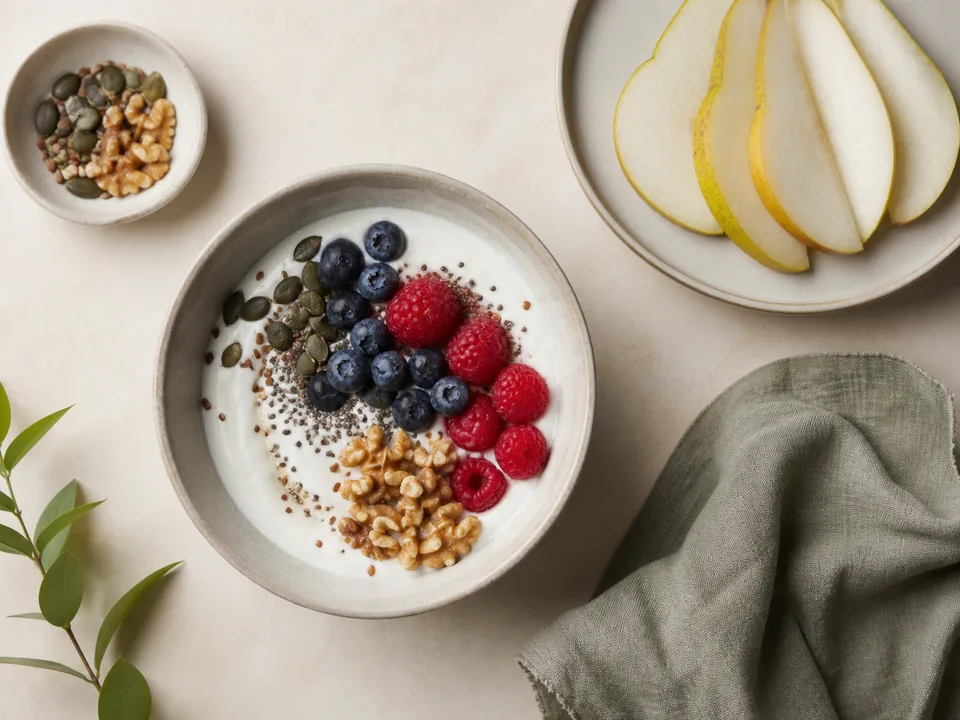
- oatmeal with yogurt or fortified soy yogurt, berries, and nuts;
- eggs, whole-grain toast, and tomatoes or greens;
- lentil soup with a side salad and fruit;
- grain bowl with beans, roasted vegetables, and a simple olive-oil dressing;
- fish, tofu, or chicken with potatoes, greens, and a colourful vegetable;
- plain yogurt with fruit, or hummus with vegetables, for a snack.
Frozen and canned vegetables and fruit can be practical choices. The American Heart Association notes that canned, dried, and frozen fruit and vegetables can be nutritious options, and suggests looking for low-sodium or no-salt-added canned vegetables when relevant.[6]
The goal is not to make every meal ideal. It is to make the easier, more nourishing choice more available than the default takeaway or ultra-processed snack.
Read labels with a specific question
Instead of trying to memorise every nutrition rule, compare two versions of the same product. Which bread, soup, dressing, cereal, bean, or frozen meal has less sodium? Which one has less added sugar and more fibre? Labels become useful when they help you make one repeatable decision.
Restaurant food deserves the same calm attention. Ask for sauces on the side, select grilled or baked options when that works for you, share a salty side dish, or balance a restaurant meal with lower-sodium choices elsewhere in the day. None of these choices need to be morally loaded.
Keep medication and monitoring in the picture
DASH can support blood-pressure management, but it should sit alongside—not in place of—your clinician’s plan. Do not stop or reduce blood-pressure medication because a new eating pattern seems to be helping. If you monitor at home, bring a log of readings, medication timing, symptoms, and relevant changes to appointments so decisions can be made safely.
Seek urgent medical care for symptoms such as chest pain, new weakness or numbness, difficulty speaking, severe shortness of breath, fainting, or a severe headache with concerning blood-pressure readings. High blood pressure often has no symptoms, which is one reason regular measurement and follow-up matter.
A manageable first week
Choose two changes rather than attempting a complete overhaul:
- Add a fruit or vegetable to one meal you already eat.
- Replace one highly salty convenience food with a lower-sodium alternative.
- Cook one extra meal at home using beans, vegetables, whole grains, and a protein food.
- Read the sodium label on two foods you buy often.
- Keep a simple home blood-pressure log if your clinician has recommended it.
DASH works best when it becomes ordinary. The more it resembles food you enjoy, can afford, and can make on a busy week, the more likely it is to support your health over time.
The takeaway
The DASH eating pattern is a credible, flexible framework for supporting blood-pressure care: more whole and minimally processed foods, more plant foods, attention to sodium, and room for real life. Use it as a foundation, then personalise it with your clinician or dietitian when medication, kidney health, diabetes, cultural food traditions, or other needs are part of the picture.
Explore more guidance in our Metabolic Health collection.
Sources
[6] https://www.heart.org/en/health-topics/high-blood-pressure/changes-you-can-make-to-manage-high-blood-pressure/managing-blood-pressure-with-a-heart-healthy-diet — American Heart Association: Managing Blood Pressure with a Heart-Healthy Diet
[7] https://www.nhlbi.nih.gov/files/docs/public/heart/new_dash.pdf — NHLBI: Your Guide to Lowering Your Blood Pressure with DASH